
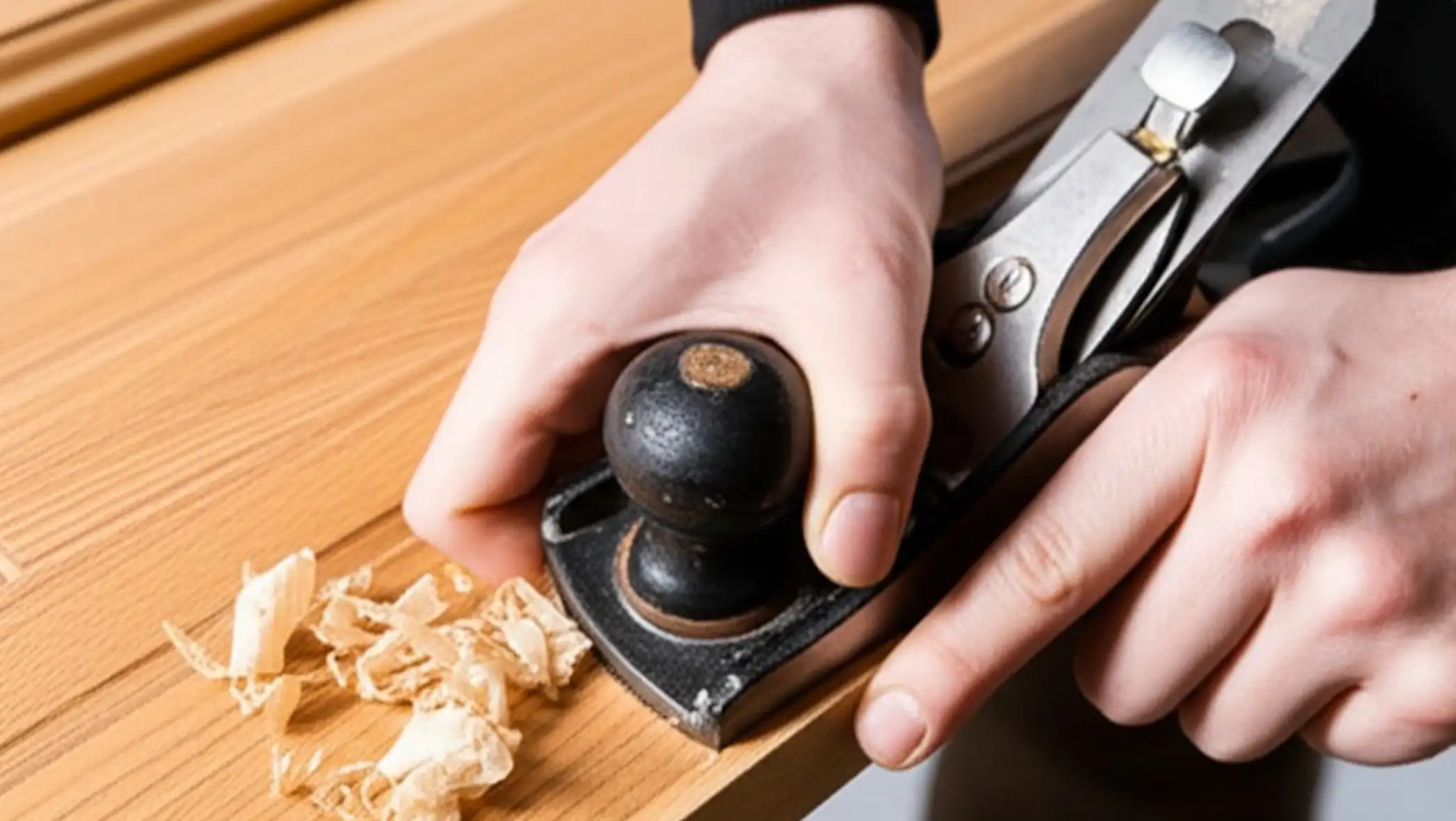
Custom Carpentry Handyman in Omaha: Trim, Shelving, and Built-In Storage
A carpentry handyman in Omaha can transform your home’s interior with professional trim work, custom shelving, and built-in storage that adds both style and function without the cost of a full remodel.
Homeowners across Omaha, Papillion, Bellevue, La Vista, and Council Bluffs often want their spaces to feel more finished and organized, but the idea of tearing apart rooms for months sounds overwhelming. That’s where skilled carpentry upgrades come in: small projects with big visual impact.
Why Hire a Carpentry Handyman in Omaha?
A specialized carpentry handyman brings the precision and tools most weekend DIYers don’t have. Clean miter cuts on baseboards, tight joints on crown molding, and level shelving that actually holds weight all require practice and the right equipment. When you hire a professional for trim installation in Omaha, you’re getting someone who measures twice, cuts once, and knows how to work around the quirks every home has: uneven walls, settling foundations, or doors that aren’t quite square.
American homeowners value their weekends, and carpentry projects eat up time fast. Between running to the hardware store three times for the right saw blade and fixing mistakes, a simple baseboard project can stretch across multiple Saturdays. A carpentry handyman completes the same work in hours, not weekends, and the finished product looks polished enough to boost resale appeal when you eventually sell.
Professional carpentry also means you’re working with someone who understands handyman services in Omaha and knows local homes. Nebraska’s freeze-thaw cycles cause settling and movement, so a good carpenter accounts for expansion gaps and uses fastening methods that won’t pop nails when lumber shifts with seasonal humidity changes.
Table of Contents
Trim and Crown Molding Upgrades
Baseboards, door casings, window trim, and crown molding are the details that separate builder-grade homes from custom interiors. When you walk into a room with crisp white baseboards, painted window trim, and crown molding that runs clean around the ceiling, the space immediately feels more upscale. Most tract homes in the Omaha metro come with basic three-inch baseboards and flat door casings. Upgrading to taller baseboards with a profile, adding picture rail molding, or installing crown molding can frame your rooms like artwork.
Crown molding installation requires skill because corners rarely meet at perfect ninety-degree angles. A professional crown molding installer in Bellevue knows how to cope inside corners so joints stay tight even when walls shift slightly over time. Outside corners need precise compound miter cuts, and getting those angles wrong means gaps you’ll see every time you look up. The difference between amateur and professional work shows up in the details: caulked seams that disappear, paint-ready surfaces, and trim that sits flush against drywall.
Many homeowners start with one room, usually the dining room or main living area, and then expand trim upgrades throughout the house once they see the transformation. Door and window casings tie the look together, especially when you replace hollow-core doors with solid versions and frame them with wider, more substantial trim. These projects pair naturally with interior painting and finishing work, since fresh trim deserves fresh paint.
| Trim Type | Typical Use | Visual Impact |
|---|---|---|
| Baseboards | Floor-to-wall transition in all rooms | Frames floors, hides gaps, protects walls from scuffs |
| Crown Molding | Ceiling-to-wall transition in living areas and bedrooms | Adds elegance, makes ceilings feel taller, creates shadow lines |
| Door & Window Casings | Around openings throughout the home | Defines architectural features, ties rooms together visually |
| Picture Rail | Mid-wall accent in dining or living rooms | Adds traditional detail, functional for hanging art |
Custom Shelving and Built-In Storage
American families accumulate stuff: sports equipment, books, toys, electronics, seasonal decor. Standard closets don’t cut it. Custom shelving in Omaha homes solves clutter problems while adding character. A bare wall in the living room becomes a built-in entertainment center with shelves for components and display space for family photos. An awkward nook under the stairs turns into custom shelving in La Vista homes where kids store backpacks and shoes in labeled cubbies.
Built-in storage handyman projects range from simple floating shelves in a home office to floor-to-ceiling bookcases flanking a fireplace. The key advantage over store-bought furniture is customization: you control the depth, height, and spacing to fit your exact needs. A built-in bookcase handyman in Council Bluffs might design shelves deep enough for storage bins in a playroom, while bedroom built-ins feature narrow shelves perfect for paperbacks and decorative items.
Mudroom built-ins have become essential in Midwestern homes where winter gear piles up. A carpentry handyman can build bench seating with storage underneath, coat hooks at kid-friendly heights, and upper cabinets for hats and gloves. These installations get bolted to wall studs properly, so they won’t sag or pull away when laden with heavy winter coats. According to the National Association of Home Builders, organizational features like mudroom storage and built-in shelving rank high on buyer wish lists, making them smart investments for homeowners planning to sell within five to ten years.
The construction process matters. Quality built-ins use hardwood face frames, adjustable shelving with metal standards, and backing that’s screwed into studs, not just glued to drywall. Painted built-ins should get primed properly so grain doesn’t telegraph through, and stained units need consistent color matching if you’re tying into existing woodwork. These details separate carpentry handyman work from furniture assembly.
Common Carpentry Handyman Projects in Omaha
Baseboard Installation and Replacement
Baseboards protect your walls from vacuum bumps and furniture scuffs while hiding the gap between flooring and drywall. A carpentry handyman replaces old, damaged baseboards or upgrades builder-grade trim to taller profiles that give rooms more presence. Installation includes cutting precise angles at corners, coping inside joints for tight fits, and caulking seams before paint. Expect one to two days for an average-sized home depending on the number of rooms and existing trim removal requirements.
Crown Molding for Living Spaces
Crown molding installation adds architectural detail to living rooms, dining rooms, and master bedrooms. The work involves measuring wall angles, cutting compound miters for corners, and securing molding to both wall studs and ceiling joists. Many Omaha homes have settled slightly over the years, so a skilled carpentry handyman adjusts cuts to account for walls that aren’t perfectly plumb. Materials range from paint-grade MDF for budget projects to solid hardwood for stained applications.
Custom Mudroom Storage
Mudroom built-ins typically include bench seating with storage cubbies underneath, coat hooks mounted at multiple heights, and upper cabinets for seasonal items. A carpentry handyman builds these units to fit your exact space, whether it’s a dedicated mudroom or just an entryway nook. Proper installation means anchoring heavy components into wall studs so benches can support adults putting on boots and cabinets won’t sag under the weight of winter coats.
Built-In Bookcases and Entertainment Centers
Floor-to-ceiling built-in bookcases transform empty walls into functional storage and display areas. A carpentry handyman constructs these units with adjustable shelving so you can reconfigure heights as needs change. Entertainment center built-ins incorporate wire management, ventilation for components, and specific shelf dimensions for televisions and sound equipment. Paint-grade units get primed and finished to match your walls, while stained versions showcase wood grain.
Window and Door Trim Upgrades
Replacing basic door and window casings with wider, more detailed trim makes openings stand out as intentional design features. A carpentry handyman removes old casing, prepares the opening, and installs new trim with tight miters at corners and consistent reveals around the frame. This work often pairs with door replacement projects when homeowners upgrade from hollow-core to solid doors and want trim that matches the improved quality.
Small-Scale Upgrades vs. Full Remodels
Kitchen remodels in Omaha run $25,000 to $60,000 and take six to twelve weeks. Basement finishing projects cost $15,000 to $40,000 and disrupt your home for months. Trim and built-in carpentry projects deliver visual impact and functional improvements in days or weeks, usually for a few thousand dollars. You can enjoy the upgrade immediately instead of living in construction chaos, and you’re still adding tangible value that buyers recognize.
These smaller projects also let you improve your home in stages as budget allows. Start with crown molding in the main living areas this year, add custom shelving in the home office next year, and finish with mudroom built-ins when you’re ready. Each project stands alone and makes daily life better right away. The Remodeling Cost vs. Value Report consistently shows that minor interior upgrades, especially those involving trim, paint, and storage, return a solid percentage of their cost in resale value, particularly when they make a home feel more move-in ready.
The timeline difference matters for families with kids or anyone who works from home. A trim installation project might mean one room is off-limits for a day or two. A built-in bookcase takes a weekend. You’re not coordinating electricians, plumbers, and inspectors, just scheduling a skilled carpenter who shows up, does clean work, and leaves your home tidier than many contractors would.
According to the National Association of Home Builders, upgrading interior trim and moldings ranks among the top 10 most desired features by home buyers, with 54% of buyers willing to pay more for homes with quality finish carpentry. Professional trim installation and built-in storage solutions consistently appear on buyer wish lists because they signal a well-maintained, move-in-ready home. Small carpentry upgrades like crown molding, custom shelving, and window casings deliver immediate visual impact while adding measurable resale value. These improvements are manageable investments when you work with a skilled carpentry handyman in Omaha who can execute detail-oriented finish work that makes your home stand out to future buyers.
Choosing the Right Carpentry Handyman
When hiring a carpentry handyman in Omaha, look for these qualities:
- Experience with trim work and built-ins
- Professional-grade tools and equipment
- Local references from recent projects
- Clear communication and written estimates
- Current insurance and licensing
What to Expect When You Work With Villa My Home
Villa My Home starts every carpentry project with a walk-through at your home. We measure the spaces, discuss your style preferences (traditional profiles versus modern flat trim, painted versus stained finishes), and explain what’s possible within your budget. For built-ins, we talk through how you’ll use the space so shelving heights and depths make sense for your actual belongings, not just generic dimensions.
Clear pricing comes next. You’ll know what the trim installation, materials, and finish work will cost before we start. We provide scheduling options that work around your family’s routine, and we keep job sites clean with drop cloths and daily cleanup. Carpentry generates sawdust, but you shouldn’t find it coating your furniture three rooms away.
Our crew respects occupied homes. We don’t block driveways unnecessarily, we keep music and noise reasonable, and we communicate if we need to shut off power or move furniture. Detail-oriented carpentry means taking time to get joints tight and surfaces smooth, and we don’t rush through projects just to move on to the next job. Nebraska homeowners appreciate contractors who care about the small stuff, because those details are what you’ll see every single day after we leave.
Whether you need a trim carpenter in Papillion to finish a basement renovation or a carpentry handyman to organize a growing family’s chaos, Villa My Home handles residential carpentry projects across the Omaha metro. We’re licensed, insured, and local, not a franchise sending different crews each time.
Ready to Upgrade Your Omaha Home?
Custom trim, crown molding, shelving, and built-ins give your home the finished, organized look you want without the disruption and expense of major renovations. Omaha-area homeowners in Papillion, Bellevue, La Vista, and Council Bluffs trust Villa My Home for detail-focused carpentry handyman services that deliver professional results and lasting value.
If you’re ready to see what a carpentry handyman in Omaha can do for your space, request an estimate today. We’ll discuss your project, answer your questions, and provide a clear quote for trim installation, custom shelving, or built-in storage that transforms how your home looks and functions.
Freqently Asked Questions
Related Articles
- Transform Your Space with Custom Shelving Solutions Today!
- Garage and Basement Handyman Projects in Omaha: From Organization to Repairs
- Kitchen Refresh Without Renovation: Handyman Upgrades for Omaha Homeowners
- Local Handyman in Omaha, NE: Small Jobs, Big Difference for Homeowners
- Winterization Handyman Services in Omaha: Preparing Your Home for Freezing Weather
- Seasonal Tasks for Omaha and Nebraska Winters