
Custom Shelving Solutions: Expert Design & Installation for Personalized Home Organization
Custom shelving solutions deliver tailored storage that fits the exact dimensions, style, and function your home requires. This article explains how custom built-in shelving, floating shelves, pantry systems, and garage storage convert wasted space into organized, usable areas while improving daily convenience and property appeal. Homeowners and investors will learn practical design strategies, material trade-offs, installation steps, and transparent pricing guidance specifically geared to Omaha-area projects. The guide covers types of shelving, a clear design-to-installation process, recommended materials with comparisons, typical cost drivers and ranges, inspiring local project examples, and how to request a free estimate. Throughout, keywords like custom shelving, built-in shelves, Omaha shelving installation, bespoke storage units, and fitted cabinetry solutions are used to map real-world search intent to actionable guidance for planning and hiring reliable local artisans.
Why Choose Custom Shelving Solutions for Your Home?
Custom shelving fits unique wall cavities and odd angles while maximizing storage capacity, which off-the-shelf units cannot always achieve. This tailored approach works by matching shelf dimensions, spacing, and materials to the homeowner’s daily routines and the room’s load requirements, producing efficient organization and cleaner sightlines. The result is less clutter, faster access to frequently used items, and shelving that visually integrates with trim and finishes for a cohesive interior.
In addition to functional gains, strategic built-ins and media centers can elevate the perceived value of a property, aiding staging and resale appeal. Below are the most compelling homeowner benefits in a concise, snippet-friendly format.
Custom shelving provides three core benefits for busy homes:
- Maximized Space: Tailored dimensions and vertical use free up floor area and fit niche spots.
- Improved Organization: Adjustable shelves and integrated storage features reduce time spent searching.
- Increased Property Value: Built-ins and high-quality finishes create a premium impression for buyers.
These advantages inform design choices such as using vertical shelving in narrow corridors and integrating lighting for display areas, which leads directly into how custom shelving reduces clutter through targeted layout strategies.
How Does Custom Shelving Maximize Space and Reduce Clutter?
Custom shelving maximizes space by using exact measurements and exploiting vertical plane opportunities, fitting shelves into alcoves, under-stair voids, and awkward corners. Designers create adjustable bays and modular inserts so storage adapts as needs change, reducing the need for oversized furniture that consumes floor area. For narrow rooms, tall, shallow shelving maintains circulation while providing significant linear storage; built-in drawers and concealed compartments further hide everyday items, keeping surfaces clear. One practical guideline is to plan shelf depth and spacing to match the primary contents, books need deeper shelves than display objects, so capacity is optimized without visual bulk. Understanding these layout tactics naturally raises the question of which specific organizational features yield the biggest everyday benefit.
What Are the Benefits of Bespoke Shelving Solutions for Home Organization?
Bespoke shelving improves daily routines by situating storage exactly where tasks happen, creating intuitive zones for activity and reducing time spent looking for items. Custom solutions commonly incorporate drawer inserts, slide-out trays, and labeled zones for bulk items, which makes inventorying simple and prevents overbuying or misplaced goods. Integrated lighting and cable management transform shelving from purely functional storage into curated display and media centers that support electronics and decorative objects without messy cords. Homeowners who adopt custom shelving typically report more usable surface area and better visual calm, which often translates to easier staging for sale or rental. These organizational gains set the stage for the next outcome: how custom storage influences property value.
How Can Custom Shelving Increase Your Property Value?
Built-in shelving and professionally executed storage systems are perceived as quality upgrades by buyers and agents because they convey thoughtfulness in layout and finished interiors. From a practical perspective, built-in media centers with cable management and integrated lighting address common buyer concerns about wiring and display needs, while pantry and closet systems signal move-in readiness. Real estate professionals often note that homes with organized, purpose-built storage photograph better and show more favorably during open houses, which can shorten time on market and support asking price. Features that commonly increase desirability include floor-to-ceiling built-ins, hardwood or veneer finishes, and adjustable shelving systems designed for long-term use. With the value proposition clarified, homeowners can assess which shelving types best match their rooms and goals.
What Types of Custom Shelving Solutions Does Villa My Home Offer in Omaha?
Custom shelving encompasses a range of solutions from built-in bookshelves to heavy-duty garage systems, and each type targets different functional priorities like display, heavy loads, or food storage. Villa My Home provides local carpentry and handyman services that map directly to custom shelving needs, offering design, fabrication, and installation for built-ins, closet systems, pantry shelving, garage storage, and floating shelves; homeowners can request quotes or consultations to see how a particular solution fits their property goals. Below is a quick reference table that aligns common shelving types to their defining features and best-fit applications for residential spaces.
The following table helps match shelving types to typical use cases:
| Shelving Type | Key Features | Best For / Example Installation |
|---|---|---|
| Built-in Bookshelves | Floor-to-ceiling bays, adjustable shelves, trim integration | Living room library or home office with TV alcove |
| Custom Closet & Pantry Systems | Pull-outs, shoe racks, labeled zones, adjustable shelves | Reach-in closets, walk-in pantries, and staging-ready kitchens |
| Garage & Utility Shelving | Heavy-duty boards, metal supports, overhead storage | Tool organization, seasonal gear, reclaiming floor space |
| Floating Shelves | Concealed brackets, varied lengths, decorative finishes | Modern living rooms, entryways, and display walls |
This comparison clarifies which solutions best resolve common storage challenges and leads into design and installation considerations for each type.
What Are Built-In Bookshelves and Custom Media Centers?
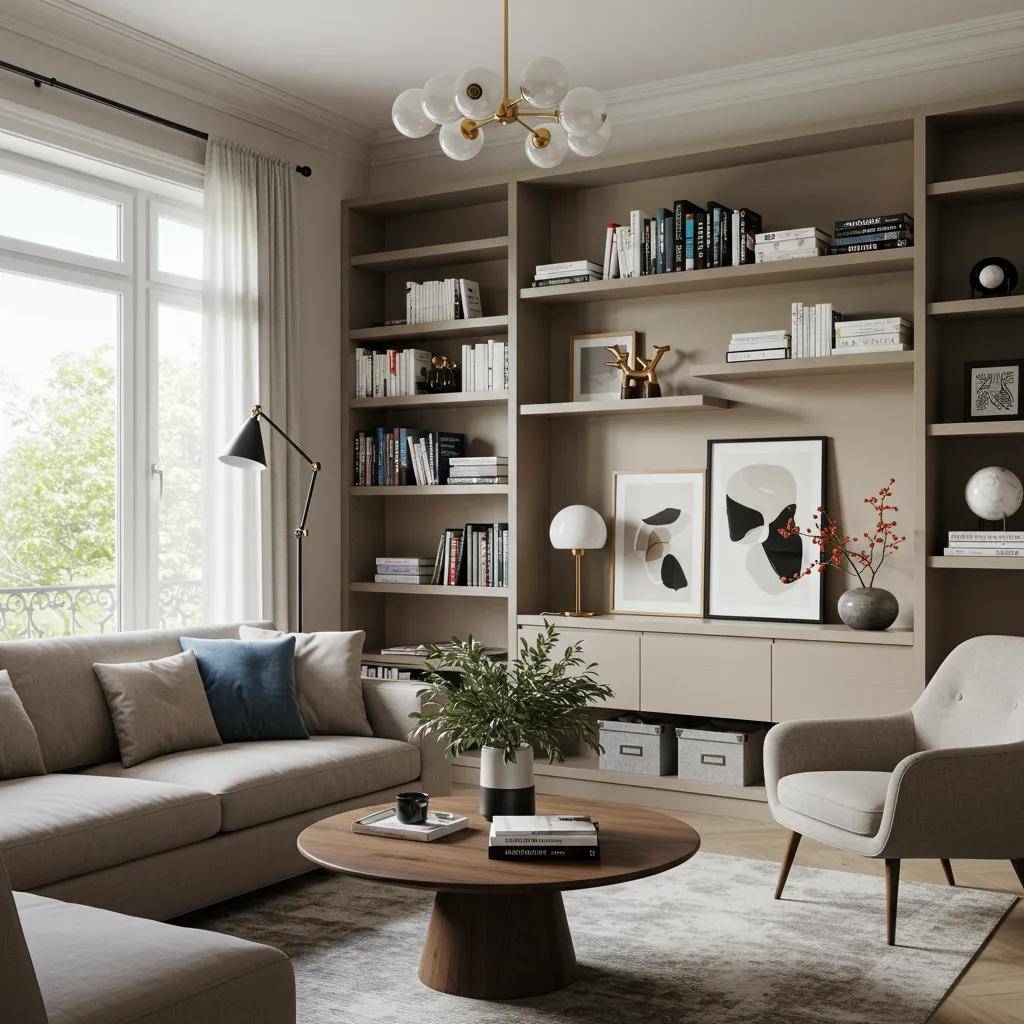
Built-in bookshelves and custom media centers are integrated shelving units designed to work with wall studs, trim, and AV equipment while concealing wiring and mounting hardware. Key design considerations include shelf depth to accommodate books or electronics, ventilation for media equipment, and cable management channels to keep connections tidy. Typical dimensions vary based on TV size and speaker layout, with adjustable shelving providing flexibility for evolving collections and media components. A common project snapshot involves converting an underused wall into a combined display and TV center with concealed storage and integrated lighting, which enhances both functionality and room aesthetics. Understanding these elements informs material choices and fabrication methods, which are covered in later sections.
How Do Custom Closet and Pantry Organization Systems Improve Accessibility?
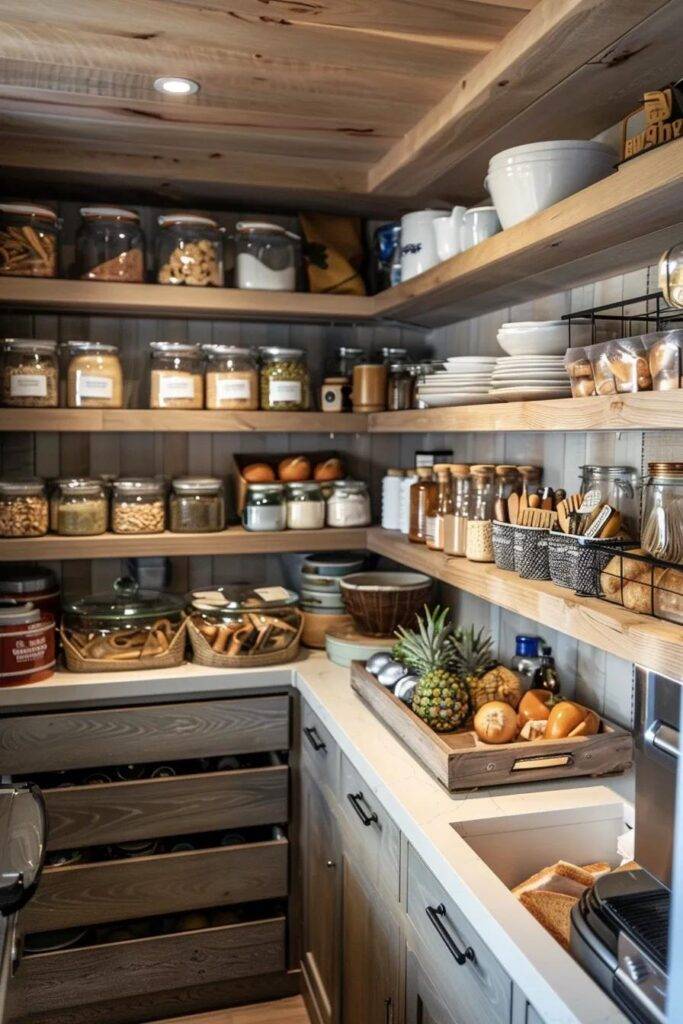
Closet and pantry systems improve accessibility by organizing items into zones and using pull-out mechanisms to reach items at the back without bending or displacing everything else. Features like pull-out baskets, deep drawers, adjustable shelving, and specialty inserts for spices or canned goods make retrieval fast and predictable, which is especially helpful for aging-in-place or multi-user households. Designing zones, for daily items, bulk storage, and overflow, reduces time spent searching and supports efficient meal prep or dressing routines. Including a brief ROI note, such systems often improve perceived functionality in listing photos and can justify a modest investment when preparing a property for sale. These accessibility gains guide decisions about durability and material selection for heavy-use areas.
What Garage and Utility Room Shelving Options Are Available?
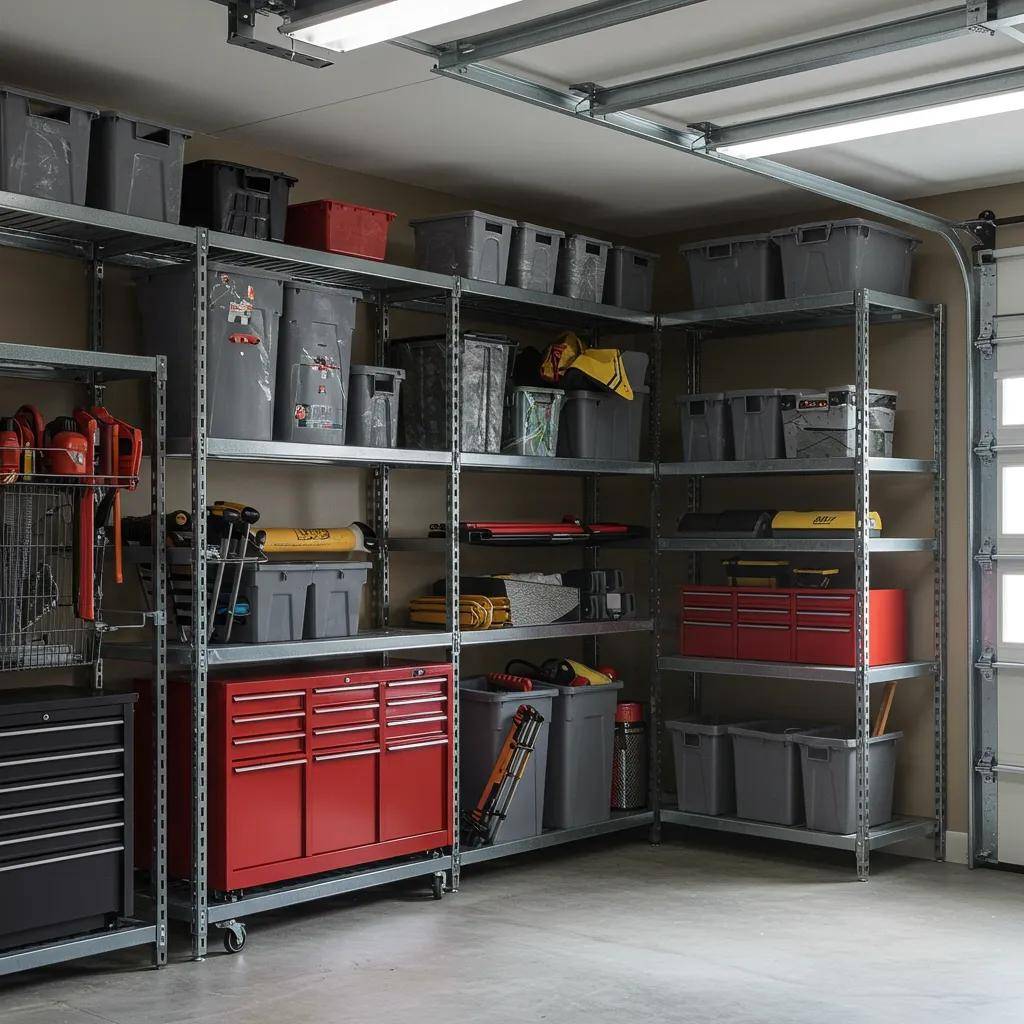
Garage shelving options range from heavy-duty wooden bays to modular steel racks and overhead platforms, each chosen for load capacity and ease of installation. For tool-heavy storage, robust shelving with reinforced brackets and bolted fixings offers safe weight ratings, while overhead platforms reclaim seldom-used seasonal items. Modular pegboard and slatwall systems add flexibility for hanging tools and small items without permanent shelving changes. Recommended weight capacities are set by intended use, light storage for boxes versus heavy-duty racking for equipment, and planning should include anchoring to studs and floor considerations. These functional choices transition naturally into aesthetic options like floating shelves for living areas where load demands are lower.
How Do Floating Shelves Enhance Modern Shelving Design?
Floating shelves provide a minimalist aesthetic by concealing supports and creating the illusion of weightless planes attached to walls, suited for display and light storage where visual simplicity is a priority. Mounting approaches vary from steel rod supports to hidden cleats, and installation must consider stud spacing and wall substrate to ensure safe load-bearing capacity. Typical load limits for floating installations depend on bracket design and anchor type, so designers recommend using floating shelves for decorative items, books in small clusters, or media accents rather than heavy equipment. Styling tips include grouping floating shelves in staggered arrangements and pairing with wall lighting or contrasting finishes for visual impact. Choosing mounting methods and limits leads directly into material trade-offs for strength and finish.
How Does the Custom Shelving Design and Installation Process Work?
A clear, step-by-step process moves projects from concept to finished installation: consultation, design, material selection, fabrication, installation, and follow-up inspection. The initial consultation captures measurements, use cases, desired finishes, and budget constraints so designers can produce accurate proposals and timelines. Design and material selection balance aesthetics with durability, selecting solid wood, plywood, or engineered materials based on expected loads and maintenance needs, and the fabrication phase converts drawings into pre-finished components for efficient on-site installation. Professional installation involves site preparation, secure anchoring, leveling, and integration with trim and lighting, followed by a client walkthrough and any minor adjustments. Below is a procedural list for quick reference.
Follow these standard installation steps:
- Consultation & Measurement: On-site assessment to document dimensions and user needs.
- Design & Quote: Detailed drawings and an itemized estimate aligned with budget.
- Fabrication: Workshop assembly and pre-finishing to minimize on-site disruption.
- Installation & Inspection: Secure mounting, final adjustments, and client walkthrough.
These steps clarify expectations for timing and disruptions, and they lead into specifics about what to expect during the initial consultation and design phase.
What Happens During the Initial Consultation and Design Phase?
The initial consultation collects dimensional data, photographs of the space, and a discussion of use cases, storage priorities, and aesthetic preferences to form a functional brief. Installers verify wall construction, locate studs, and note any access constraints or code considerations that could affect shelving placement and anchoring. Designers then produce schematic layouts showing shelf heights, depths, and integrated features like drawers or lighting, accompanied by a sample timeline for fabrication and installation. Homeowners should prepare by identifying frequently used items and providing approximate budgets to help prioritize features. This preparatory exchange streamlines material selection and feeds directly into choosing the right materials for the project.
How Are Materials Selected for Custom Shelving Projects?
Material selection balances cost, durability, appearance, and maintenance: solid hardwoods offer premium finishes and longevity, plywood delivers structural stability at moderate cost, and MDF provides smooth paint-ready surfaces for intricate trim. For high-moisture or heavy-load areas like garages, plywood or metal systems are preferable because they resist sagging and warping; for living rooms and libraries, veneered plywood or hardwood provides a refined look. Designers also consider surface treatments, stain, paint, lacquer, and low-VOC finishes for healthier indoor air quality. Matching material to use case ensures the shelving performs as intended and reduces lifetime maintenance, which then determines fabrication techniques and pricing.
What Are the Steps in Fabrication and Professional Installation?
Fabrication begins with precise cutting and joinery based on approved drawings, with pre-finishing of surfaces where possible to reduce dust and on-site spray work. Components arrive labeled and staged for efficient installation; installers prep walls, verify anchor points, and sequence installation to minimize disruption to household routines. Typical on-site work includes leveling, fastening, routing for cables, installing integrated lighting, and sealing joints with trim to create a built-in appearance. Quality assurance checks include load testing of shelves, hardware tightening, and a final walk-through to confirm alignment with the original design intent. After installation, a short handover explains care and maintenance, and this naturally leads to post-installation support options.
What Post-Installation Support Does Villa My Home Provide?
Villa My Home offers post-installation support that includes maintenance guidance, minor touch-ups, and follow-up service scheduling through its handyman and home-care offerings, helping homeowners preserve finish and functionality over time. Support typically covers instructions for cleaning finishes, tightening hardware after settling, and scheduling inspections for high-use systems like pantry pull-outs or garage racks. The company’s local expertise means technicians can return for follow-up work or integrate shelving maintenance into subscription home-care services that bundle routine home upkeep. Homeowners are encouraged to request follow-up service when necessary, and the availability of on-site support ensures long-term satisfaction and a direct path back to the free estimate process described below.
Which Materials Are Best for Durable and Stylish Custom Shelving?
Choosing the right material determines how shelving behaves under load, how it finishes, and how it ages; material selection therefore starts with intended use and budget. Solid wood offers excellent longevity and a high-end aesthetic but comes at a premium and requires moisture-aware installation. Plywood combines strength with dimensional stability for structural applications and accepts veneers for attractive surfaces. MDF is economical and yields flawless painted finishes for trim-heavy built-ins but is less suited for heavy loads or damp environments. Below is a concise materials comparison to help select the best option for specific rooms and performance needs.
Material trade-offs and recommended uses:
| Material | Attribute (durability, cost, aesthetics, best use cases) | Value / Recommendation |
|---|---|---|
| Solid Wood | High durability, higher cost, premium appearance | Best for feature walls and libraries where longevity and grain matter |
| Plywood | Strong, stable, mid-range cost, accepts veneer | Good all-around choice for structural shelving and cabinetry |
| MDF | Smooth paint finish, low cost, less moisture resistance | Ideal for painted built-ins and intricate trim in dry areas |
| Metal & Glass | High strength (metal), translucence (glass), modern aesthetic | Use for industrial or display shelving and mixed-material designs |
This comparison clarifies which materials match common scenarios and transitions into the role of metal and glass in mixed-material designs.
What Are the Advantages of Solid Wood, MDF, and Plywood?
Solid wood delivers natural grain and exceptional longevity, making it the preferred choice for heirloom-quality built-ins and visible library shelving where appearance is paramount. Plywood offers dimensional stability and strength at a lower cost, providing a sturdy substrate for veneers and durable daily use in pantries or media centers. MDF is engineered for smooth painted surfaces and is ideal for trim work, built-in cabinetry fronts, and custom molding where a flawless finish matters. Each material’s suitability depends on expected loads, humidity exposure, and finish preferences, which informs fabrication decisions in the workshop.
How Do Metal and Glass Accents Enhance Custom Shelving Designs?
Metal supports and frames introduce structural toughness and an industrial aesthetic suitable for heavy loads or modern interiors, often paired with wooden shelves for contrast. Glass shelves add translucence and visual lightness, ideal for display cases and areas where lighting will play a key role in highlighting objects. Mixed-material designs use metal brackets or frames to reduce shelf thickness while maintaining strength, creating refined sightlines and contemporary appeal. Maintenance considerations include using tempered glass for safety and choosing corrosion-resistant metal finishes for utility spaces, balancing durability with the desired aesthetic.
What Sustainable Materials Are Available for Eco-Friendly Shelving?
Sustainable shelving options include FSC-certified woods, reclaimed lumber, and low-VOC finishes that reduce emissions and support environmental stewardship without sacrificing performance. Reclaimed wood adds character through patina and reduces the carbon footprint associated with new milling, while formaldehyde-free MDF and low-VOC paints improve indoor air quality for sensitive occupants. For homeowners prioritizing sustainability, specifying certified or recycled materials and durable construction extends product life and reduces long-term environmental impact. These options often have trade-offs in cost or availability but align with growing homeowner preferences for eco-conscious design.
How Much Do Custom Built-In Shelves and Bespoke Shelving Solutions Cost in Omaha?
Custom shelving costs depend on materials, size, complexity, and integrated features; in Omaha, transparent quoting is essential to set realistic expectations and avoid surprises. Primary cost drivers include linear feet of shelving, choice of material (solid wood vs engineered products), handcrafted details or trim, integrated lighting or hardware, and access or demolition needs. The following cost-factor table breaks down typical influences and provides a clear view of how budgets scale for common residential shelving projects.
Understanding which elements drive price helps plan a budget:
| Cost Factor | Attribute (influence on price) | Typical Range / Impact |
|---|---|---|
| Materials | Choice of solid wood, plywood, MDF, metal | High impact; solid wood increases budget significantly |
| Size & Complexity | Linear feet, built-in details, curved work | Scales linearly; complex joinery raises labor costs |
| Integrated Features | Lighting, drawers, cable management | Moderate to high impact depending on electrical work |
| Labor & Installation | On-site complexity, finish work | Variable; local rates and access affect final quote |
This table clarifies transparent drivers and leads into how Villa My Home structures fair quotes and pricing.
What Factors Influence the Cost of Custom Shelving Projects?
The main cost influencers are material selection, linear footage, installation complexity, integrated features (drawers, lighting, outlets), and finish level, with each factor capable of altering a quote by significant percentages. Complex geometry or curved built-ins require more shop time and skilled joinery, while integrated electrical or lighting adds the cost of licensed trade work and materials. Accessibility issues such as narrow stairways or required demolition will also add labor hours and site preparation fees. Understanding these drivers helps homeowners prioritize features and make informed trade-offs during the design phase to meet budget targets.
How Does Villa My Home Provide Fair and Transparent Pricing?
Villa My Home offers on-site assessments with itemized quotations that list materials, labor, and add-on options so homeowners see exactly what is included and what is optional. Estimates typically identify inclusions, measurements, design drawings, fabrication, installation, and a post-installation walkthrough, and exclusions such as major structural alterations unless specified. This transparent approach aligns with local expectations for clear, fair pricing and helps homeowners compare options without hidden fees. Prospective clients are encouraged to request an on-site estimate to receive a tailored, itemized proposal that reflects their project specifics and budget.
Are There Financing or Subscription Home Care Options for Shelving Installation?
Some homeowners combine installation with broader home-care or subscription services that bundle ongoing maintenance and small repairs, which can smooth costs and protect investment in storage systems. Financing options or payment plans may be available through local providers or company-supported pathways; homeowners should inquire directly to understand terms and how financing might affect scheduling and warranty conditions. Subscription home-care services can include periodic inspections, tightening hardware, and minor touch-ups that prolong the life of custom shelving. Contacting the local provider for detailed financing or subscription options ensures projects remain affordable and well-supported over time.
What Are Some Inspiring Custom Shelving Project Examples by Villa My Home?
Local project examples illustrate how tailored shelving solves specific problems, turning awkward nooks into libraries, converting closets into organized pantries, and transforming garages into orderly workspaces. Descriptive captions that include materials, timeframe, and outcomes help homeowners visualize comparable results in their own properties. Highlighting before-and-after narratives explains constraints encountered and design solutions applied, such as adding concealed cable channels in a media center or reinforcing garage shelving for heavy gear. Below are short project case descriptions that demonstrate typical outcomes and client benefits.
A small gallery of project snapshots shows variety and impact:
| Project Type | Materials & Features | Outcome / Benefit |
|---|---|---|
| Living Room Built-in | Veneered plywood, integrated lighting, cable management | Clean media integration and display with hidden wiring |
| Pantry Remodel | Plywood shelving, pull-out drawers, labeled zones | Improved storage density and faster meal prep |
| Garage Reorganization | Metal-framed shelving, overhead platform | Increased floor space and tool accessibility |
These examples show how custom work improves daily function, and they naturally invite homeowners to request similar assessments.
Can You See Before-and-After Photos of Built-In Bookshelves and Media Centers?
Before-and-after descriptions demonstrate how structural interventions and finish choices can dramatically alter a room’s usability and visual appeal. A common before scenario shows a blank wall or mismatched shelving; after photos and captions note the materials used, the installation timeframe, and user benefits such as improved cable management and added concealed storage. Altogether, these narratives clarify practical constraints and outcomes so readers can imagine comparable transformations in their own homes. Interested homeowners should review project specs to identify features they prefer and prepare similar photos for a smoother quoting process.
What Custom Closet and Pantry Systems Have We Designed for Omaha Homes?
Closet and pantry case studies typically highlight pull-out trays, adjustable shelf bays, and designated zones that increased usable capacity and improved access. Project captions note dimensions, shelving types, and any special inserts provided, examples include deep pull-out drawers for bulk storage and adjustable racks for variable-height items. Measured outcomes often cite more efficient inventory management and faster daily routines, supporting the case for investing in thoughtfully designed systems. These practical benefits prompt many homeowners to request on-site consultations to quantify potential gains.
How Have Garage Storage Solutions Improved Local Home Organization?
Garage projects focus on durability and reclaiming floor space through overhead platforms, heavy-duty racks, and wall-mounted systems for tools and sports gear. Before-and-after metrics often describe floor area reclaimed or estimated increases in storage capacity, illustrating the direct impact on usability. Selecting between metal and wood racking depends on load expectations and aesthetic goals; many clients choose metal-framed heavy-duty systems for bikes and equipment and wood shelving for seasonal bins. These results demonstrate the practical transformations possible and encourage readers to consider tailored solutions for their utility spaces.
How Can You Get a Free Custom Shelving Estimate from Villa My Home Today?
Requesting a free custom shelving estimate is a straightforward transactional process designed to capture essential information, set expectations, and schedule an on-site consultation for accurate quoting. To obtain an estimate, gather basic details, measurements or approximate dimensions, photos of the intended area, desired materials or features, and a target timeline, which speeds the quoting process and improves accuracy. Villa My Home serves the Omaha metro area and nearby communities and arranges on-site visits to verify site conditions, create itemized proposals, and discuss financing or subscription home-care options if relevant. The estimate typically details scope, materials, labor, and a proposed timeline so homeowners can make an informed decision.
To prepare for a quote, provide this checklist:
- Dimensions & Photos: Clear images and rough measurements of the space.
- Desired Features: Notes on drawers, lighting, media integration, or heavy-duty needs.
- Timeline &{ Budget: Preferred start window and approximate budget range.
This preparation ensures a focused consultation and leads directly to scheduling a site visit and receiving an itemized estimate.
What Information Is Needed to Request a Custom Shelving Quote?
An accurate quote requires measurements or a floor plan, photos from multiple angles, a short list of desired features (for example adjustable shelves, drawers, or lighting), and any constraints such as access limitations or electrical needs. Including your preferred materials or finishes helps the estimator propose realistic material allowances, while indicating target timelines and budget ranges helps prioritize features during design. If possible, note whether the shelving will support heavy loads or electronics so proper structural provisions can be included in the itemized proposal. Supplying this information beforehand accelerates the quote turnaround and reduces the need for follow-up clarification.
How Do You Schedule a Consultation for Custom Shelving Installation?
Scheduling follows a simple contact-to-consult flow: reach out by phone or email to request availability, provide preliminary photos and measurements if available, arrange an on-site consultation for measurement and needs assessment, and receive an itemized estimate within the agreed timeframe. Villa My Home accepts inquiry by phone at (402) 940-7322 or by email at contact@villamyhome.com to begin the scheduling process; the team uses the consultation to verify details and provide a clear project timeline. Typical lead windows vary with seasonality and local demand, so requesting an estimate early in project planning helps secure preferred start dates. After receiving an itemized estimate, homeowners confirm scope and schedule fabrication and installation.
What Areas Does Villa My Home Serve for Custom Shelving Solutions?
Villa My Home primarily serves Omaha, NE and the surrounding metro area, offering local expertise and responsive scheduling for home improvement and carpentry projects. Nearby communities commonly included in service discussions are Papillion, La Vista, Bellevue, and Council Bluffs, and homeowners outside these areas are encouraged to inquire about availability for outlying projects. The company’s local presence supports quick follow-up and post-installation service, which is important for warranty work and subscription home-care maintenance. If your property lies beyond typical coverage, a brief inquiry will clarify whether a special arrangement is possible.
This article has outlined types, materials, cost drivers, process steps, project examples, and how to request a free estimate; when you’re ready to move from planning to measurement, Villa My Home’s local carpentry and handyman approach can provide a tailored, itemized proposal and the on-site expertise needed to turn custom shelving concepts into durable, organized reality.
Frequently Asked Questions
What is the typical timeline for a custom shelving project?
The timeline for a custom shelving project can vary based on several factors, including the complexity of the design, material availability, and the current workload of the installation team. Generally, the process from initial consultation to installation can take anywhere from a few weeks to a couple of months. After the consultation, the design and fabrication phase usually takes 2-4 weeks, followed by installation, which may take 1-3 days depending on the project size. Homeowners are encouraged to discuss specific timelines during the initial consultation for a more accurate estimate.
Can custom shelving be designed for specific items or collections?
Yes, custom shelving can be tailored to accommodate specific items or collections, such as books, collectibles, or media equipment. During the design phase, homeowners can discuss their storage needs and preferences, allowing designers to create shelving that optimally fits the dimensions and weight of the items. Features like adjustable shelves, specialized compartments, and integrated lighting can be included to enhance functionality and display. This personalized approach ensures that the shelving not only meets practical needs but also complements the overall aesthetic of the space.
Are there eco-friendly options for custom shelving materials?
Absolutely! Many eco-friendly materials are available for custom shelving projects. Options include FSC-certified wood, reclaimed lumber, and low-VOC finishes that minimize environmental impact. These materials not only support sustainability but also provide durability and aesthetic appeal. Homeowners interested in eco-friendly solutions should discuss their preferences during the consultation, allowing designers to recommend suitable materials that align with both environmental values and design goals. Choosing sustainable materials can also enhance indoor air quality and contribute to a healthier living environment.
What maintenance is required for custom shelving?
Maintenance for custom shelving largely depends on the materials used and the environment in which they are installed. Generally, regular dusting and occasional cleaning with a damp cloth are sufficient to keep shelves looking their best. For wooden shelves, periodic polishing or conditioning may be recommended to maintain the finish and prevent drying or cracking. Homeowners should also check for loose hardware or signs of wear, especially in high-use areas like kitchens or garages. Villa My Home provides maintenance guidance during the post-installation walkthrough to ensure long-lasting functionality.
Can custom shelving solutions be modified or expanded in the future?
Yes, one of the advantages of custom shelving is its adaptability. Many designs can be modified or expanded as storage needs change over time. Homeowners can work with designers to create modular systems that allow for easy adjustments, such as adding new shelves or reconfiguring existing ones. This flexibility is particularly beneficial in spaces like closets or garages, where storage requirements may evolve. Discussing future expansion possibilities during the initial design phase can help ensure that the shelving system remains functional and relevant for years to come.
What should I consider when choosing a location for custom shelving?
When selecting a location for custom shelving, consider factors such as accessibility, natural light, and the intended use of the space. Shelving should be placed where it can be easily accessed for daily use, such as in kitchens or living rooms. Additionally, consider the impact of natural light on the materials chosen; for example, certain woods may fade over time if exposed to direct sunlight. It’s also important to think about the overall flow of the room and how the shelving will integrate with existing furniture and decor. A well-planned location enhances both functionality and aesthetics.