
Omaha Home Maintenance Checklist by Season: What to Fix Before It Breaks
Omaha’s four-season climate brings extreme cold, humid summers, and severe storms that test every part of your home. This seasonal home maintenance checklist helps you stay ahead of weather-related damage with simple tasks you can handle yourself or schedule with a local handyman.
Most homeowners wait until something breaks before calling for help. That leaking gutter becomes an ice dam. That drafty window turns into a $300 heating bill. I’ve walked through hundreds of Omaha homes where a $50 caulking job could have prevented thousands in water damage. Let’s change that pattern.
Your Year-Round Maintenance Schedule
Here’s a quick reference table showing when to tackle each major task in Omaha:
| Season | Month | Priority Tasks | Time Required |
|---|---|---|---|
| Spring | March-April | Foundation inspection, caulking, irrigation testing | 3-4 hours |
| Spring | May | HVAC filter change, window well cleaning | 1-2 hours |
| Summer | June-July | Deck staining, gutter cleaning, AC maintenance | 4-6 hours |
| Summer | August | Pressure washing, outdoor faucet checks | 2-3 hours |
| Fall | September-October | Gutter cleaning, weatherstripping, furnace prep | 3-4 hours |
| Fall | November | Water heater drain, hose disconnection | 1 hour |
| Winter | December-February | Monthly filter changes, humidity monitoring | 30 min/month |
Spring Home Maintenance Tasks for Omaha
As Omaha’s spring thaw hits after harsh Nebraska winters, start your home maintenance checklist by inspecting your foundation for cracks caused by freeze-thaw cycles. This problem shows up constantly in Papillion and La Vista, where clay soil shifts during temperature swings. Walk your foundation perimeter and mark any cracks wider than a quarter inch.
Re-caulk windows and doors to seal out spring storms. Old caulk gets brittle after winter cold and pulls away from frames. You’ll feel drafts even with windows closed. Use exterior-grade silicone caulk rated for temperature extremes. It costs about $6 per tube at any hardware store.
Test your lawn irrigation system for leaks that spike water bills. Turn on each zone and look for soggy spots or sprinkler heads shooting sideways. According to the EPA, fixing these leaks can save 8,800 gallons annually. Schedule an HVAC filter change now to handle pollen-heavy air. Pros recommend swapping filters before AC season ramps up in May. These steps prevent water damage and ensure energy efficiency heading into summer.
Clean out window wells if you have a basement. Spring runoff carries debris that blocks drainage and pushes water against foundation walls. I’ve seen basement floods start from clogged window wells after a single heavy rain.
Summer Home Upkeep in Nebraska
Omaha summers bring humid heat, making deck staining essential to protect wood from UV rays and moisture. Stains with mildew resistance work best for Bellevue decks where humidity stays high through August. Skip oil-based stains in summer heat because they don’t cure properly above 90 degrees. Water-based products handle the temperature better.
Clean gutters early to avoid summer storm backups. You might think gutters only matter in fall, but cottonwood seeds and spring debris create dams that overflow during July thunderstorms. Pressure-wash siding to spot cracks or soft spots before they rot. Check outdoor faucets for drips that waste water during irrigation season. Nebraska’s clay soil shifts throughout summer, which can cause foundation issues if drainage fails around your home.
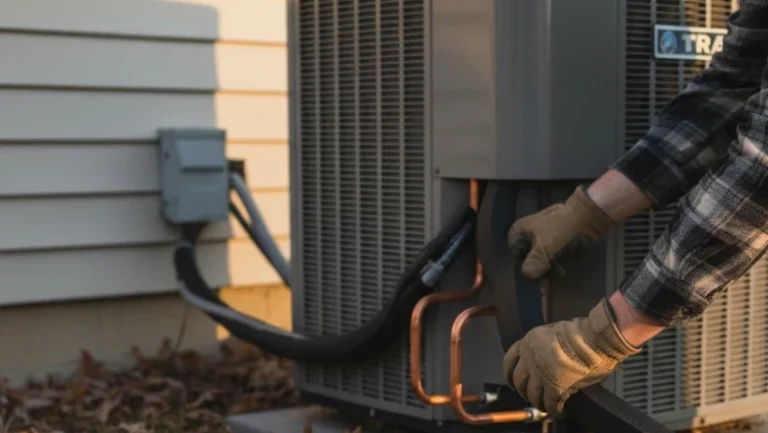
Inspect your AC unit’s condenser coils. Cottonwood fluff clogs these coils every June in Omaha, forcing your system to work harder and driving up electric bills. Spray them down with a garden hose from the inside out.
Test your sump pump by pouring a bucket of water into the pit. Pumps sit idle most of summer, and you don’t want to discover a dead motor during the next storm. Replace the battery in battery backup systems every three years.
Fall Preparation for Omaha Winters
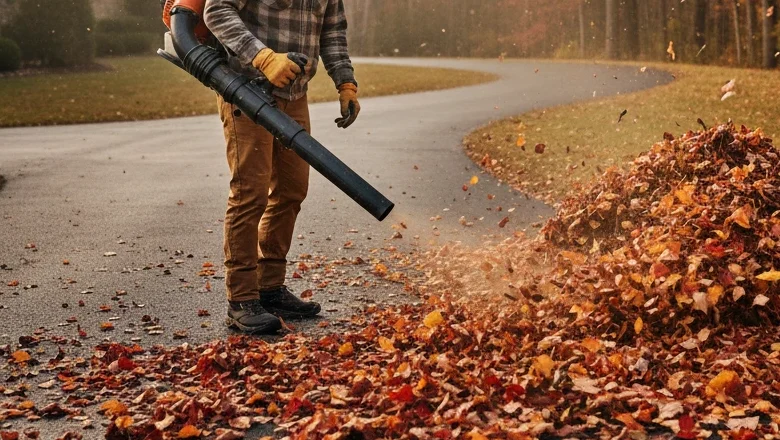
Fall leaves clog Omaha gutters fast, so clean them before Nebraska’s first snow to prevent ice dams. Multi-story homes need professional attention because ladder work gets dangerous on wet leaves. Ice dams form when heat escapes through your roof, melts snow, and refreezes at the gutter line. That ice backs water under shingles and into your walls.
Stain decks now for winter protection if you didn’t handle it in summer. Wood needs 48 hours of dry weather to absorb stain properly, and October gives you that window before temperatures drop. Drain your water heater annually to remove sediment that reduces efficiency. This job takes 20 minutes and extends the tank’s life by years.
Swap HVAC filters for heating season. Furnaces push more air than AC units, so dirty filters strain the blower motor. Check weatherstripping on doors and windows. In Papillion winters, good weatherstripping blocks drafts and cuts energy costs by up to 20%, according to Energy.gov testing.
Reverse your ceiling fans to push warm air down from the ceiling. Most people forget this simple switch that makes rooms feel warmer without touching the thermostat.
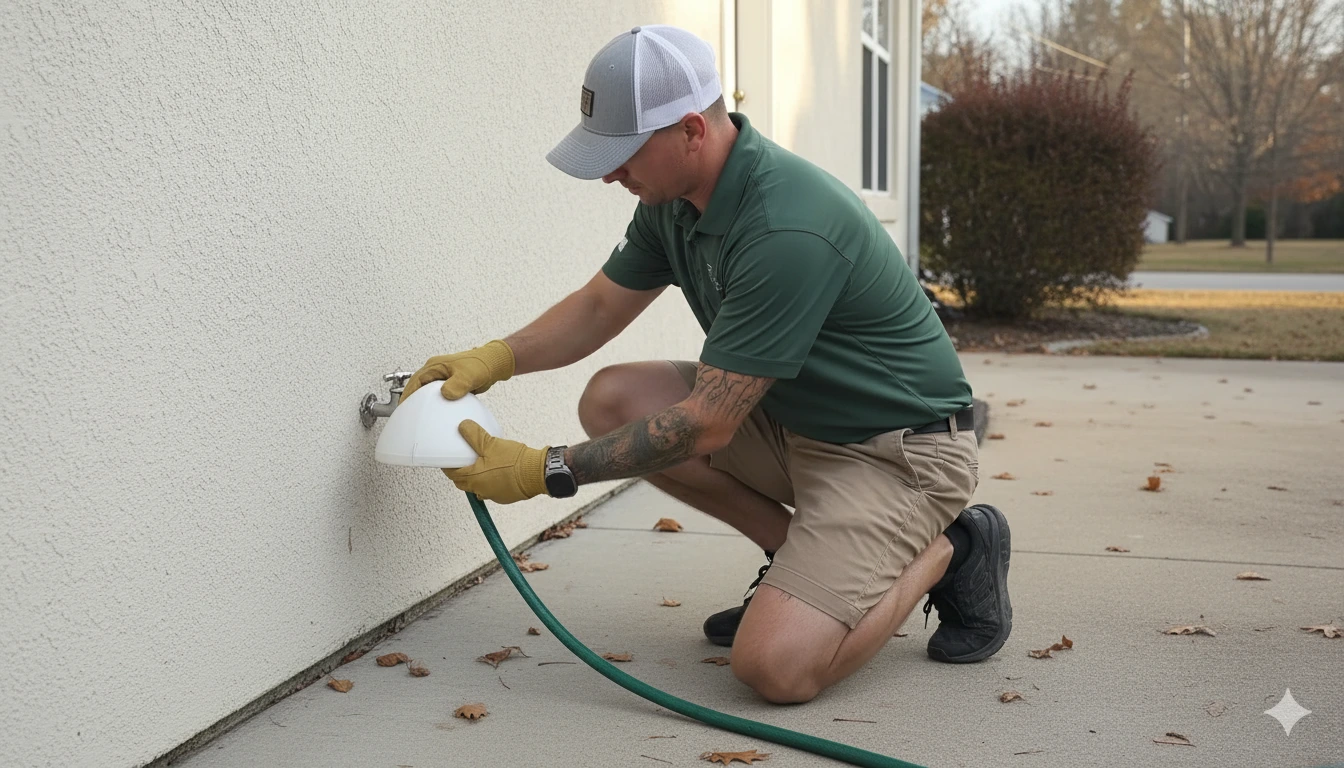
Disconnect and drain garden hoses. Water left in hoses freezes back into your pipes and can crack the valve inside your wall. Store hoses in the garage or basement.
Foundation Inspection Checklist
When checking your foundation in spring, look for these warning signs:
- Horizontal or stair-step cracks wider than a quarter inch indicate settling issues common in Nebraska clay soil
- Water stains or efflorescence (white mineral deposits) show moisture problems that need immediate drainage fixes
- Gaps between foundation and siding where caulk has failed, letting water and pests enter your walls
Summer Home Upkeep in Nebraska
Omaha summers bring humid heat, making deck staining essential to protect wood from UV rays and moisture. Stains with mildew resistance work best for Bellevue decks where humidity stays high through August. Skip oil-based stains in summer heat because they don’t cure properly above 90 degrees. Water-based products handle the temperature better.
Clean gutters early to avoid summer storm backups. You might think gutters only matter in fall, but cottonwood seeds and spring debris create dams that overflow during July thunderstorms. Pressure-wash siding to spot cracks or soft spots before they rot. Check outdoor faucets for drips that waste water during irrigation season. Nebraska’s clay soil shifts throughout summer, which can cause foundation issues if drainage fails around your home.
Inspect your AC unit’s condenser coils. Cottonwood fluff clogs these coils every June in Omaha, forcing your system to work harder and driving up electric bills. Spray them down with a garden hose from the inside out.
Test your sump pump by pouring a bucket of water into the pit. Pumps sit idle most of summer, and you don’t want to discover a dead motor during the next storm. Replace the battery in battery backup systems every three years.
Emergency home repairs average more than $1,200, while preventative maintenance typically costs around $100 KJRH
Fall Preparation for Omaha Winters
Fall leaves clog Omaha gutters fast, so clean them before Nebraska’s first snow to prevent ice dams. Multi-story homes need professional attention because ladder work gets dangerous on wet leaves. Ice dams form when heat escapes through your roof, melts snow, and refreezes at the gutter line. That ice backs water under shingles and into your walls.
Stain decks now for winter protection if you didn’t handle it in summer. Wood needs 48 hours of dry weather to absorb stain properly, and October gives you that window before temperatures drop. Drain your water heater annually to remove sediment that reduces efficiency. This job takes 20 minutes and extends the tank’s life by years.
Swap HVAC filters for heating season. Furnaces push more air than AC units, so dirty filters strain the blower motor. Check weatherstripping on doors and windows. In Papillion winters, good weatherstripping blocks drafts and cuts energy costs by up to 20%, according to Energy.gov testing.
Quick Winterization Steps
Get your home ready for Nebraska cold with these essential tasks:
- Reverse ceiling fans to push warm air down from the ceiling, making rooms feel warmer without touching the thermostat
- Disconnect and drain garden hoses so water doesn't freeze back into pipes and crack valves inside your walls
- Install heat cables along roof edges if you're prone to ice dams, preventing expensive water damage to interior walls
Winter Maintenance During Cold Months
Change furnace filters monthly during heating season. Omaha winters run furnaces constantly from December through February, and filters clog faster than any other time of year. A $4 filter prevents a $150 service call when your blower motor overheats.
Keep gutters clear of ice by maintaining those heat cables we mentioned. These cables run along roof edges and keep water flowing. They’re not cheap upfront but cheaper than repairing water damage inside your walls.
Check attic insulation levels. You should have at least R-38 in Nebraska attics, which equals about 12 inches of blown fiberglass. Thin insulation lets heat escape, melts roof snow, and creates those ice dams we discussed earlier.
Monitor humidity levels inside your home. Winter air gets dry, but you don’t want it below 30% because that cracks wood floors and furniture. Run a humidifier to maintain 35-45% relative humidity.
Inspect caulking around bathtubs and showers. Gaps let water seep into walls where it freezes during cold snaps, expanding and cracking studs. This damage shows up as bulging drywall or soft spots around tubs.
Keep Your Home Running Year-Round
Following this seasonal home maintenance checklist keeps your Omaha home in shape through every weather extreme. Small preventative tasks cost less than emergency repairs, and you’ll avoid the stress of dealing with failures during holidays or vacation time.
Villa My Home offers seasonal maintenance visits that cover these tasks from top to bottom. Schedule your appointment before the next season hits, and we’ll handle the work while you enjoy your home.